Sambuca is the most popular anise liqueur in Italy. In the bottle it is clear, in the mouth it is sweet and full, and the aroma is star anise. Its name, its origin and the coffee beans in the glass all come with more stories than documents.
Below you will find the legal definition, the history with the dates that can be checked, the differences from anisetta, pastis and ouzo, the ways to drink it and the sambucas you can buy.
What is sambuca under the law?
In EU Regulation 2019/787 sambuca is category 36 of spirit drinks: a clear liqueur flavored with anise, with at least 38% ABV, at least 350 grams of sugar per liter expressed as invert sugar and 1 to 2 grams per liter of natural anethole, taken from green anise, star anise or other herbs.
Each of the four requirements shows up in the glass. The 38% minimum puts it among the strongest liqueurs. The 350 grams of sugar give it its thick, almost syrupy body. Anethole is the molecule that carries the anise aroma, and the law sets both a minimum and a maximum. Color is forbidden: for the law, a colored sambuca is a different product.
Sambuca is a product category without a geographical indication. It can be made anywhere in the European Union as long as it meets these numbers, which is why there are sambucas from Lombardy, Veneto and Basilicata next to the ones from Civitavecchia. The bottles sold in the United States follow the same European definition when they are made in Italy.
Who invented sambuca?
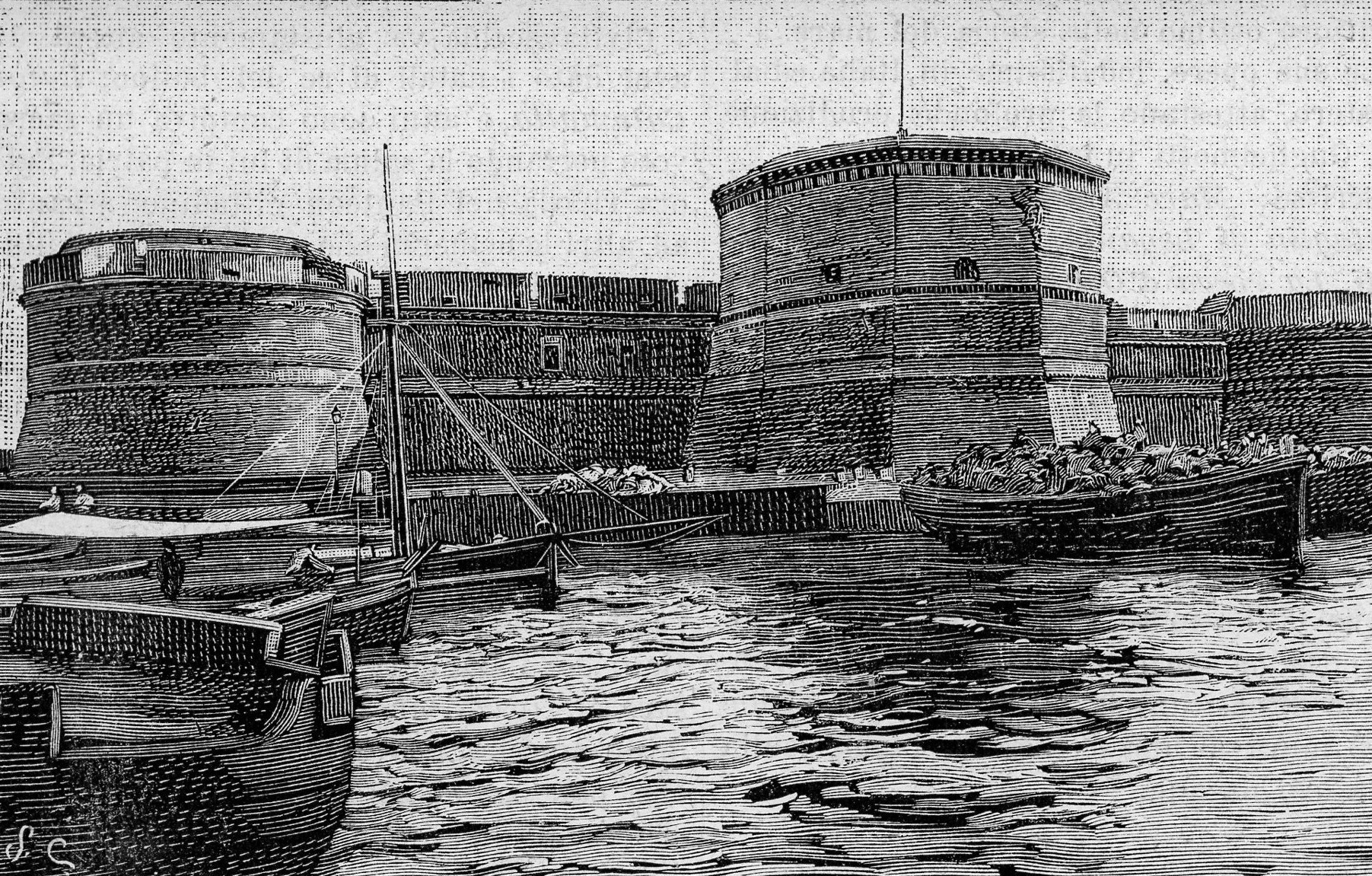
The first documented sambuca is the one made by Luigi Manzi, a liqueur maker from the island of Ischia who around 1851 produced it in Civitavecchia, above the port, from green anise. In 1945 Angelo Molinari, also in Civitavecchia, launched Sambuca Extra Molinari, made from star anise, the version that took the liqueur to the rest of the world.
The two dates belong to two different products. Manzi’s sambuca was a shop liqueur, drunk after a meal. Molinari’s came after the war with an industrial idea and a sharper profile, because star anise is more powerful than green anise. The Manzi brand still exists, sold mostly around Civitavecchia; Molinari is today the best-selling name.
On the map of traditional Italian liqueurs, Lazio is the region of anise, and the reason has a precise address: the port of Civitavecchia, where spices arrived by sea.
Why is it called sambuca?
There are two explanations, and neither is proven. The more common one takes the name from the Latin sambucus, elder, even though classic sambuca contains no elder. The other, tied to Manzi’s story, links it to the «sambuchelli», the water carriers around Naples and Ischia who brought water and anise to farmers working in the fields.
The sambuchelli version rests on a letter attributed to Manzi and quoted by the histories of Civitavecchia sambuca, whose original text has not been published. The elder version has the similarity of the words on its side, and the fact that some producers use elderflower among the minor herbs of their recipe.
What does sambuca taste like?
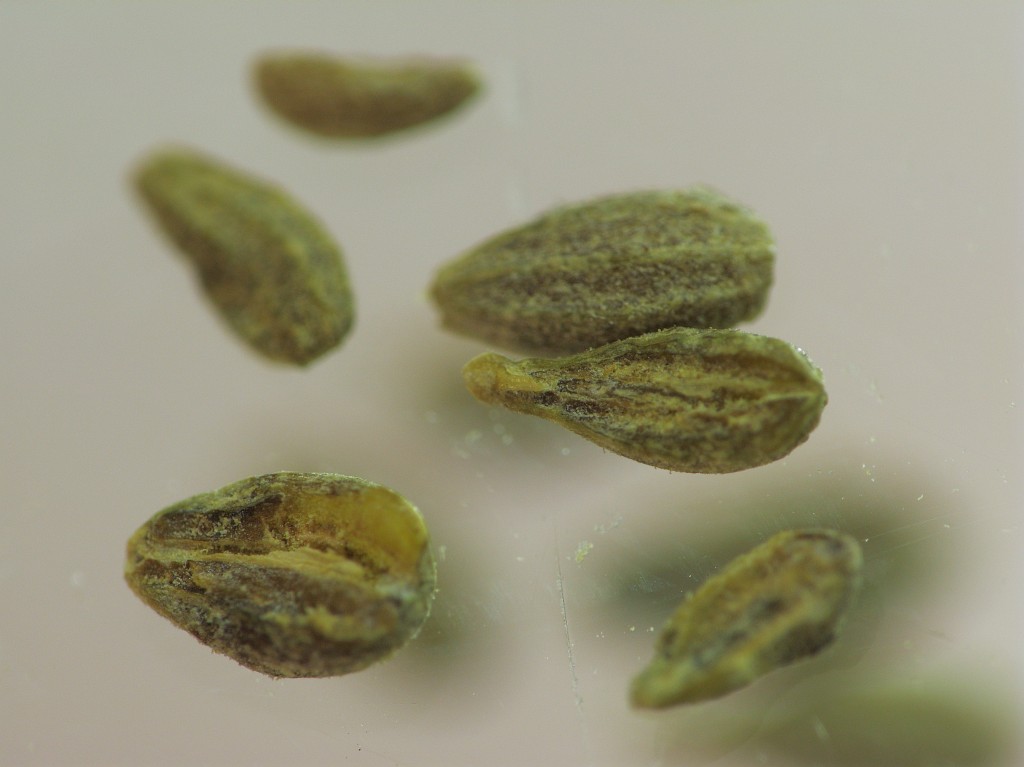
Sambuca tastes of anise, that is of anethole, the aromatic molecule shared by green anise and star anise. They are two different plants: green anise, Pimpinella anisum, is a Mediterranean herb whose seeds are used; star anise, Illicium verum, is the fruit of an Asian tree. Star anise gives a stronger, more resinous aroma.
| Green anise | Star anise | |
|---|---|---|
| Botanical name | Pimpinella anisum | Illicium verum |
| Plant | herb of the carrot family | evergreen tree |
| Part used | the seeds | the star-shaped fruit |
| Origin | Mediterranean basin | China and Vietnam |
| Aroma | softer and sweeter | stronger and more resinous |
| Where you taste it | Manzi’s sambuca, anisetta from the Marche | Molinari’s sambuca and most of those on sale |
Besides anise, producers’ recipes can contain other herbs and spices in small amounts. The formulas are secret, and labels name anise at most: anything else can only be guessed by tasting. The plants used in liqueurs are described in the guide to herbs and spices for liqueurs.
What is the difference between sambuca, anisetta, pastis and ouzo?
They are all anise liqueurs or spirits, set apart by sugar, strength and licorice. Sambuca is the sweetest, with at least 350 grams of sugar per liter and 38% ABV. French pastis has at least 40% ABV, less than 100 grams of sugar and licorice. Anisetta is a lighter Italian liqueur. Ouzo is a geographical indication of Greece and Cyprus.
| Sambuca | Anisetta | Pastis | Ouzo | |
|---|---|---|---|---|
| Country | Italy, can be made anywhere in the EU | Italy, mostly the Marche | France, can be made anywhere in the EU | Greece and Cyprus |
| Legal status in the EU | category 36 of Reg. (EU) 2019/787 | generic liqueur, category 33 | category 26 | geographical indication |
| Minimum ABV | 38% | 15%, like any liqueur | 40% | set by its specification |
| Sugar | at least 350 g/L | free, above the liqueur minimum | less than 100 g/L | set by its specification |
| Anethole | 1 to 2 g/L | not set | 1.5 to 2 g/L | set by its specification |
| Licorice | not required | not required | required | not required |
| One example on sale | Sambuca Extra Molinari, 40% | Anisetta Meletti, 34% | Ouzo 12, 38% |
The difference you notice most is the sugar. Pastis is stretched with five parts water and becomes a long aperitif drink; sambuca is sipped neat from a small glass after dinner. Anisetta sits in between: lower in alcohol and often more fragrant with green anise, it is sambuca’s relative from the Marche.
Why does sambuca turn white with water or ice?
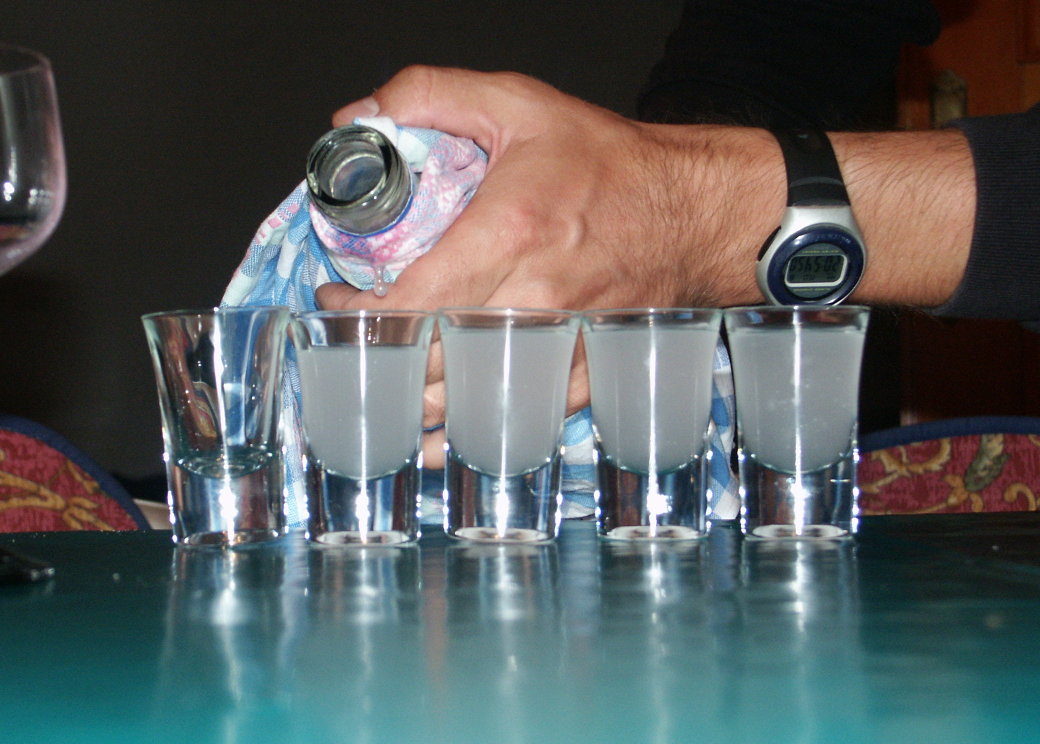
Because anethole dissolves well in alcohol and hardly at all in water. When you add water, or chill the liqueur hard, the alcohol can no longer keep it in solution and the anethole separates into tiny droplets that make the liquid milky. It is called the ouzo effect, it happens to pastis and ouzo too, and it is normal.
A bottle of sambuca kept in the freezer can turn hazy for the same reason, and clears again at room temperature. The cloudiness tells you the anethole is there: an anise liqueur that stays clear even with plenty of water contains very little of it.
How do you drink sambuca?
The classic way is neat, at room temperature or slightly chilled, in a small glass after dinner, often with a few coffee beans in it. It also goes into coffee, as caffè corretto, or right after it as an ammazzacaffè, the after-coffee drink. In summer it is drunk ice cold or with cold water, which turns it white.
- Neat: the serving is a liqueur glass, about 4 centiliters (1.35 fl oz). At 38 to 40% ABV it is one of the strongest liqueurs served after dinner.
- Con la mosca, «with the fly»: with roasted coffee beans in the glass, to chew at the end. The bitterness of the coffee balances the sugar.
- In coffee: a few drops in an espresso, used as the sweetener, make caffè corretto alla sambuca, a habit found mostly in central Italy.
- Cold: straight from a bottle kept in the freezer, or with ice or cold water. The more water you add, the milkier it gets and the more the anise comes through over the sugar.
In bars you also see sambuca set alight for a few seconds to toast the beans on top. An alcohol flame is almost invisible in daylight and the glass heats up quickly: put it out by covering the glass before bringing it to your mouth. At home, with the open bottle on the table, skip it.
What is sambuca con la mosca?
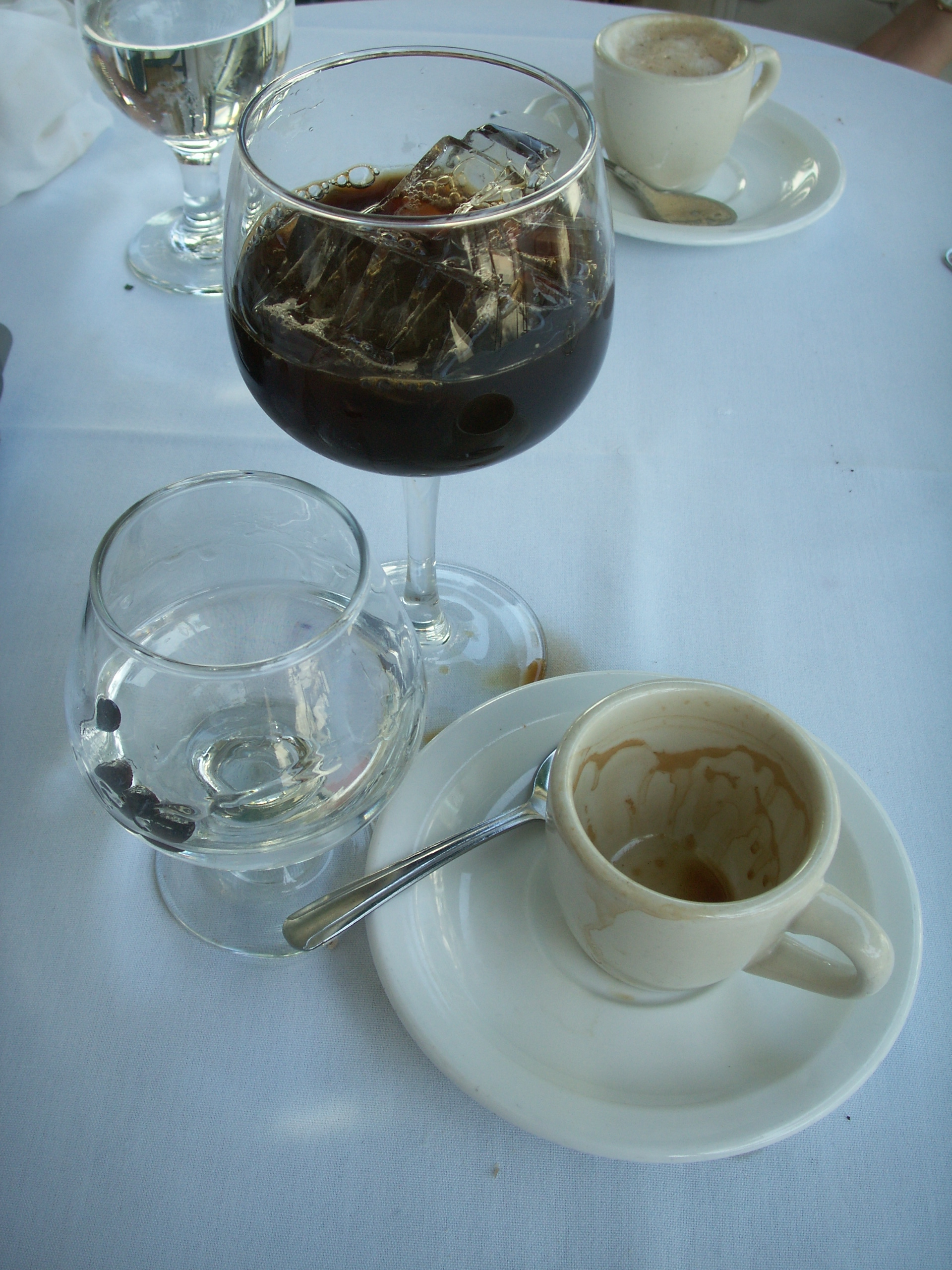
It is sambuca served with a few roasted coffee beans floating in the glass, «the flies». The most common number is three, but one and seven are also found. The custom is Roman and tied to the postwar years, but the stories about its birth and about the meaning of the number are tales without documents.
The most quoted story, told by Molinari too, places its birth in the bars of Via Veneto in Rome, in the years of La Dolce Vita, from a joke about a bean dropped in a glass and taken for a fly. For the number there are symbolic explanations, such as the three wishes of health, happiness and prosperity, or the seven hills of Rome for the seven-bean version. They came after the habit, and none can be verified.
Which sambucas can you buy?
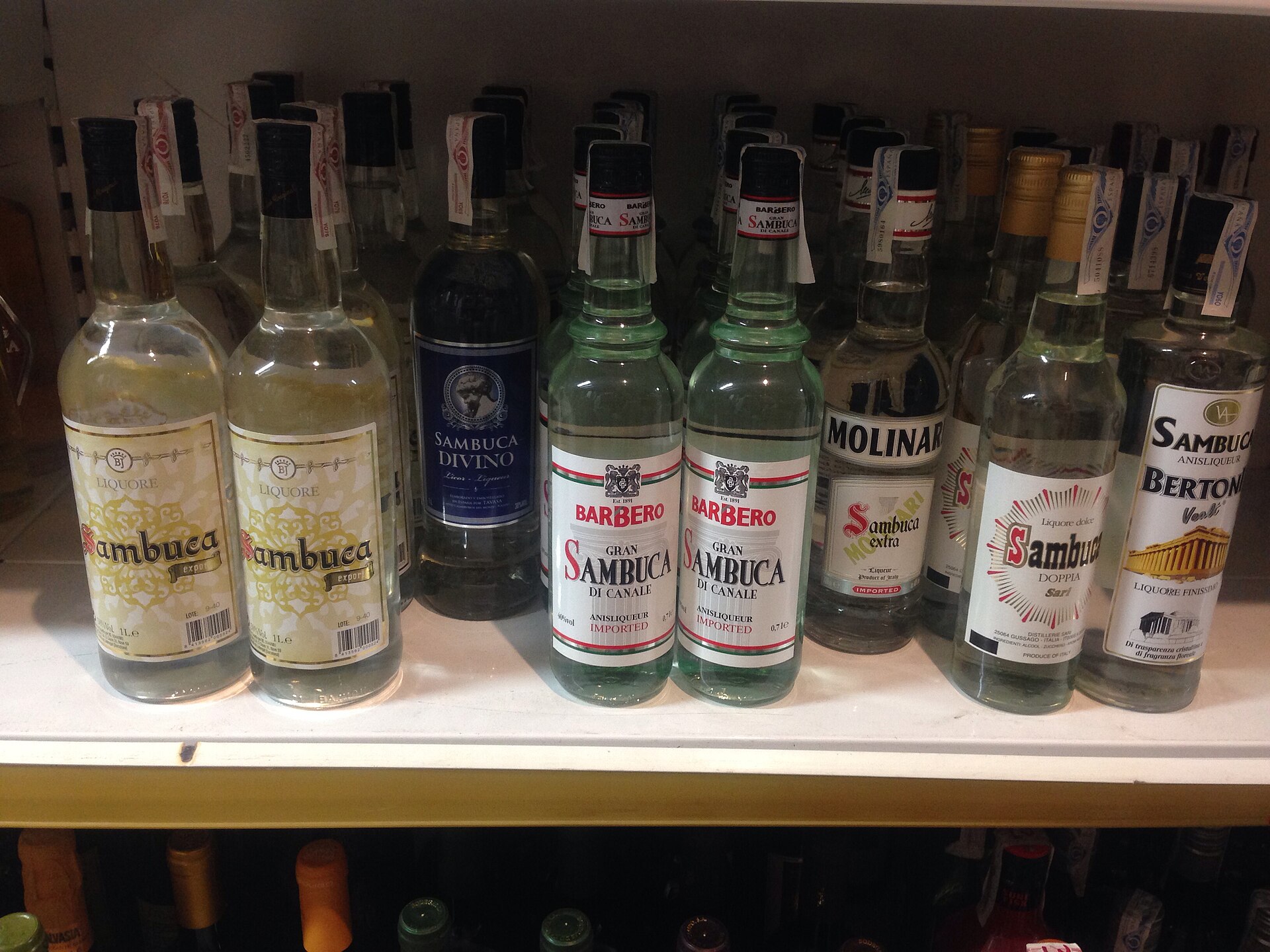
The most widespread in Italy are Sambuca Extra Molinari and Sambuca Romana, both from Lazio, followed by Ramazzotti, Luxardo, Isolabella and Lucano. All of them are between 38 and 40% ABV. The liquori.it profiles give strength, producer and region for each one, with nutrition values when they are documented.
| Sambuca | Producer | Region | ABV |
|---|---|---|---|
| Sambuca Extra Molinari | Molinari | Lazio | 40% |
| Sambuca Romana | Diageo | Lazio | 40% |
| Sambuca Isolabella | Illva Saronno | Lombardy | 40% |
| Sambuca Anniversario Lucano | Lucano | Basilicata | 40% |
| Sambuca Ramazzotti | Pernod Ricard | Piedmont | 38% |
| Sambuca dei Cesari Luxardo | Luxardo | Veneto | 38% |
All the profiles are in the Italian liqueurs section, where you can filter them by type and region.
Can you make sambuca at home?
Yes: you steep star anise or green anise in high-proof neutral alcohol, strain it and add a sugar syrup. The hard part is the sugar. Reaching the 350 grams per liter of the definition takes a lot of sugar in little water, and most home recipes stay below it, making a good anise liqueur closer to anisetta.
In the United States, infusing store-bought alcohol for personal use is legal, while distilling at home requires a federal permit and selling requires licenses. The usual base in Italy is 95% alcohol, sold in the US as grain alcohol at 190 proof, which is not available in every state. High-proof alcohol is flammable and must be kept away from flames and hot burners. To choose one, see the guide on which alcohol to use for homemade liqueurs.
Frequently asked questions
Is sambuca made from elderberries? No: the flavor of sambuca comes from anise, green or star. The name has two explanations, neither proven: the Latin sambucus, elder, or the sambuchelli, the water carriers of Ischia who brought water and anise to the fields.
How strong is sambuca? At least 38% ABV, or 76 proof, under EU Regulation 2019/787. The most widespread sambucas in Italy are 38 or 40% ABV.
What is the difference between sambuca and anisetta? Sambuca has a legal definition, with at least 38% ABV and 350 grams of sugar per liter. Anisetta is an anise liqueur without a category of its own, usually lower in alcohol: Anisetta Meletti is 34% ABV.
Why does sambuca turn white with water? Because anethole, the molecule behind the anise aroma, dissolves in alcohol and hardly at all in water: when diluted it separates into droplets that make the liquid milky. It happens to pastis and ouzo too, and it is normal.
Why are there three coffee beans in sambuca? It is sambuca con la mosca, a Roman custom. The most common number is three, but one and seven are also found. The explanations of what the number means came after the habit.
At 38 to 40% ABV, sambuca is for small servings, only if you are 21 or older, and never before driving.
Techniques and recipes in a few slides, on Instagram: @liquori.it