Gentian is the bitter liqueur of the central Apennines, the mountains that run down the middle of Italy. In Abruzzo you find it in mountain homes, in refuges and in village shops, often in bottles with no label. It is amber in color, and its bitterness stays in the mouth for a long time.
Below you will find the plant it comes from, its history, the wine that sets it apart from other homemade liqueurs, genzianella, the commercial liqueurs that use the same root and the rules on harvesting.
What plant is gentian liqueur made from?
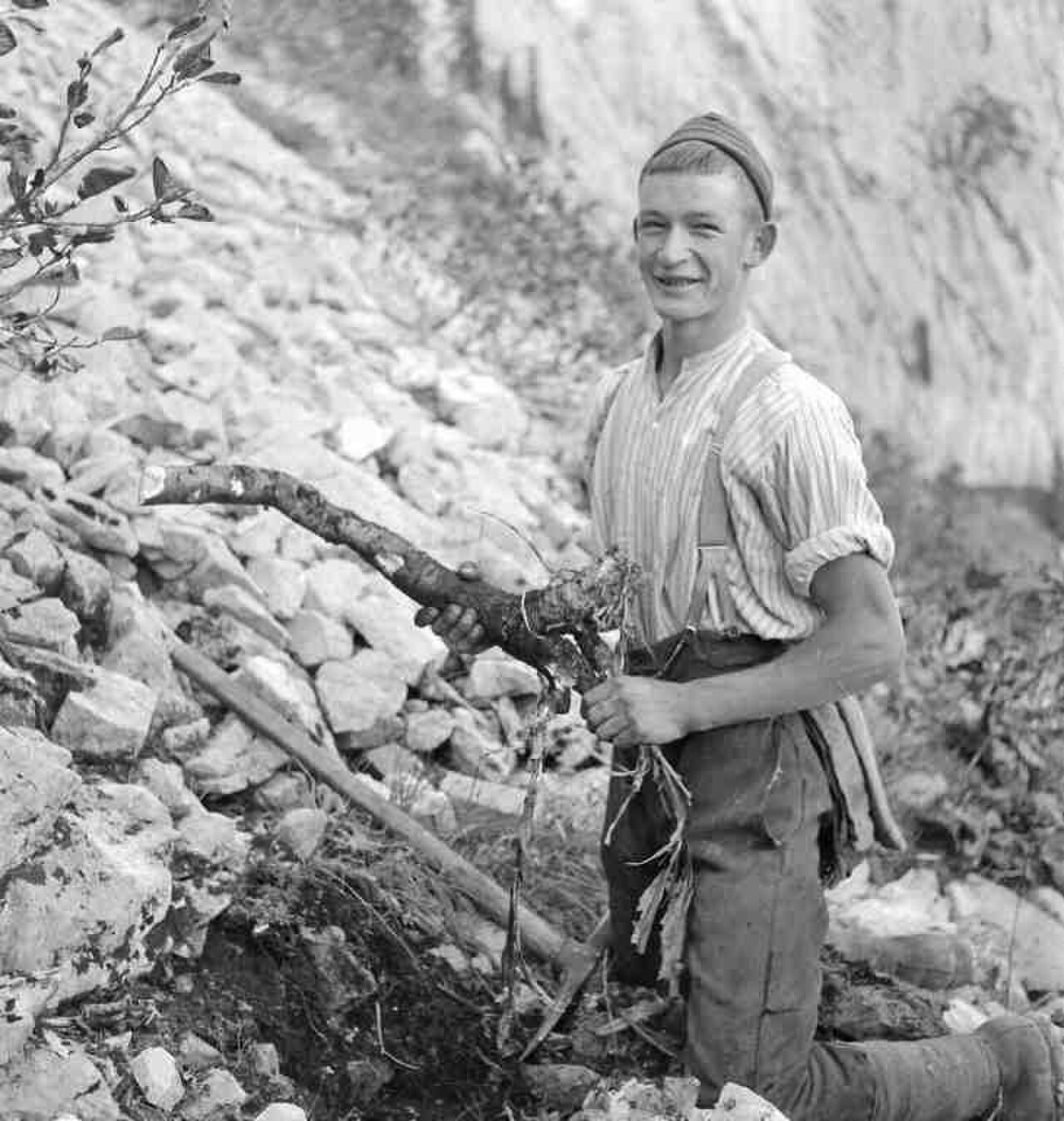
It is made from the roots of Gentiana lutea, the great yellow gentian, a perennial of Apennine and Alpine pastures above 1,000-1,500 meters (3,300-5,000 feet). The yellow flowers play no part: the bitterness is all in the root, which is fleshy, can weigh several pounds and has to be dried before use.
The bitter substance is amarogentin, one of the most bitter compounds known. It can still be tasted at a dilution of 1 in 50,000, and it is estimated to be about three thousand times more bitter than gentiopicrin, the other glycoside in the same root. That is why a few dozen grams of root are enough for a liter of liqueur. In the guide to herbs and spices for liqueurs, gentian heads the list of bittering agents.
The plant grows slowly. It flowers for the first time after its tenth year and sends up a new flower stalk every four to eight years. On farms the roots are dug up after five or six years. Once lifted, the root is split lengthwise and air-dried. It ferments a little while drying, and its color turns from yellow to reddish brown.
Where does gentian liqueur come from?
It is a traditional food product recognized by the Italian Ministry of Agriculture for Abruzzo and for Lazio, in the province of Rieti. Its historic home is the mountain country of the provinces of L’Aquila and Chieti, around the Abruzzo National Park, the Gran Sasso and the Majella. Sources tie it to the shepherds of the transhumance, the seasonal moving of flocks.
The official listing describes the method in a few lines: dried roots of Gentiana lutea infused in dry white wine or in alcohol for at least forty days. The root must be dry before it is used. The traditional wines are Trebbiano d’Abruzzo and Pecorino.
On the map of traditional Italian liqueurs, Abruzzo also has the centerbe of Tocco da Casauria and sour cherry ratafia. The same liqueur is made across the central Apennines: Liquorificio Vallenera makes it in Terni, in Umbria.
Why is gentian liqueur made with wine?
Because in the Abruzzo tradition white wine is what draws the flavor out of the root. Most homemade liqueurs start with a steep in 95% alcohol; gentian steeps in wine, and the alcohol goes in at the end with the sugar. That makes it lighter than the others: the recipes in circulation, worked out, come to about 24-25% ABV (48-50 proof).
The wine brings acidity and body, which balance the bitterness. It should be dry, young and not very aromatic, because a very perfumed white would cover the root. In Abruzzo the same approach is used for ratafia, where sour cherries steep in wine.
There is also a version made with alcohol alone, stronger and more concentrated, without the acidity of the wine. Commercial versions usually sit higher: Liquore di Genziana Vallenera is 30% ABV (60 proof).
What is genzianella?
In Abruzzo, genzianella is the second liqueur made from the same roots, steeped again in fresh wine after the first infusion. It was the everyday version, while gentian was kept for special occasions. It comes out paler, sweeter and less bitter. The second infusion lasts more than eighty days.
On the first round the root gives up only part of its bitterness, and the rest comes out slowly. In the Alps the same name means something else: a spirit distilled from Gentiana acaulis, the gentian with blue flowers, which is a different plant.
What does the law say about gentian?
EU Regulation 2019/787 knows two products. Category 18, “Gentian”, is a spirit distilled from fermented roots, with at least 37.5% ABV and no added flavorings. Gentian liqueur falls instead under category 33, liqueurs: at least 15% ABV and at least 80 grams of sugar per liter, the lower threshold set for liqueurs flavored only with gentian.
The usual threshold for liqueurs is 100 grams of sugar per liter: the law accepts that a bitter gentian liqueur is better with less sugar. These rules cover what is sold with a label. In the United States, steeping a liqueur at home for your own use is legal, while distilling needs a federal permit and selling needs licenses.
Which commercial liqueurs contain gentian?
A great many. Gentian is the most common bittering agent in Italian liqueurs and appears in aperitifs, amari and vermouths. Among the liquori.it product pages, Campari, Aperol, Braulio, Amaro Lucano, Luxardo Bitter and Cocchi Americano list it among their botanicals. Liquore di Genziana Vallenera uses it on its own.
| Liqueur | Type | Region | ABV |
|---|---|---|---|
| Liquore di Genziana Vallenera | gentian liqueur | Umbria | 30% |
| Amaro Lucano | amaro | Basilicata | 28% |
| Braulio | amaro | Lombardy | 21% |
| Campari | aperitif | Lombardy | 25% |
| Luxardo Bitter | aperitif | Veneto | 25% |
| Cocchi Americano | aperitif | Piedmont | 16.5% |
| Aperol | aperitif | Veneto | 11% |
Producers keep their recipes secret, and none of them states how much gentian goes in. All the product pages are in the Italian liqueurs section, where you can filter by botanical, type and region.
How do you drink gentian liqueur?
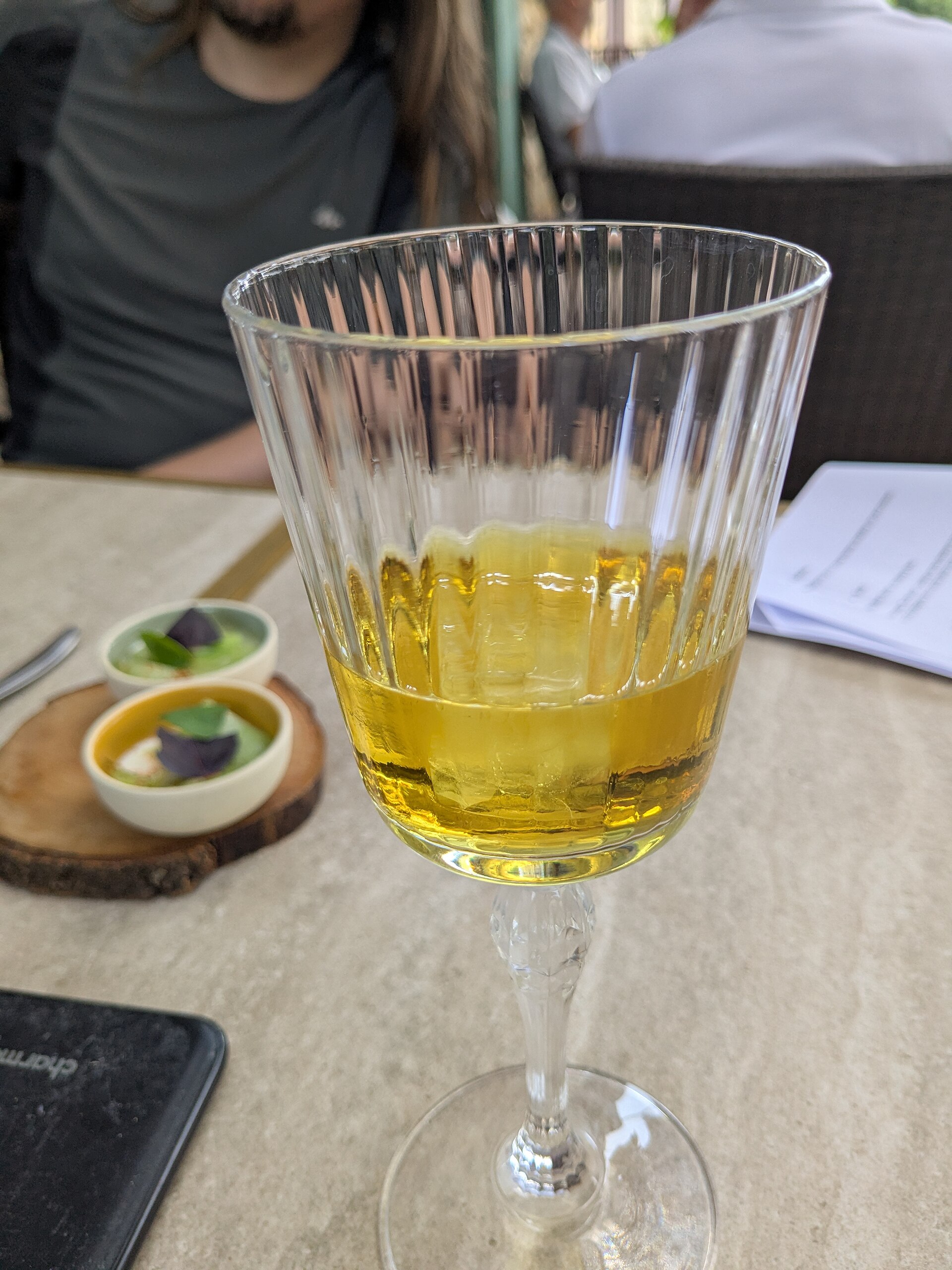
Like an amaro: neat, in a small glass, after dinner. It is served at room temperature or slightly chilled. The bitterness of the root comes through at once and lasts a long time.
The aperitifs that contain gentian, such as Campari and Aperol, are drunk long instead, in a spritz or a Negroni. There gentian is one note among many, while in the Abruzzo liqueur it is everything.
Can you pick gentian in the wild?
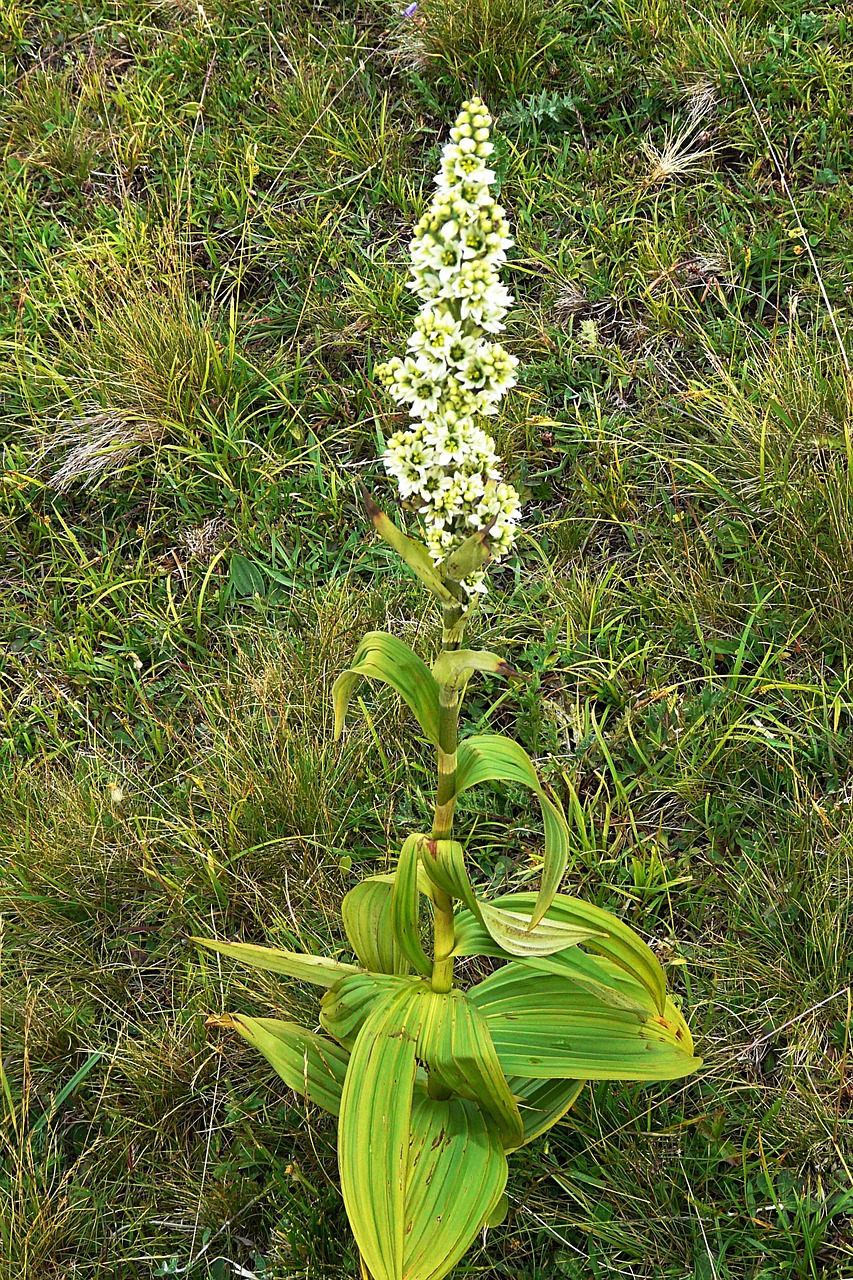
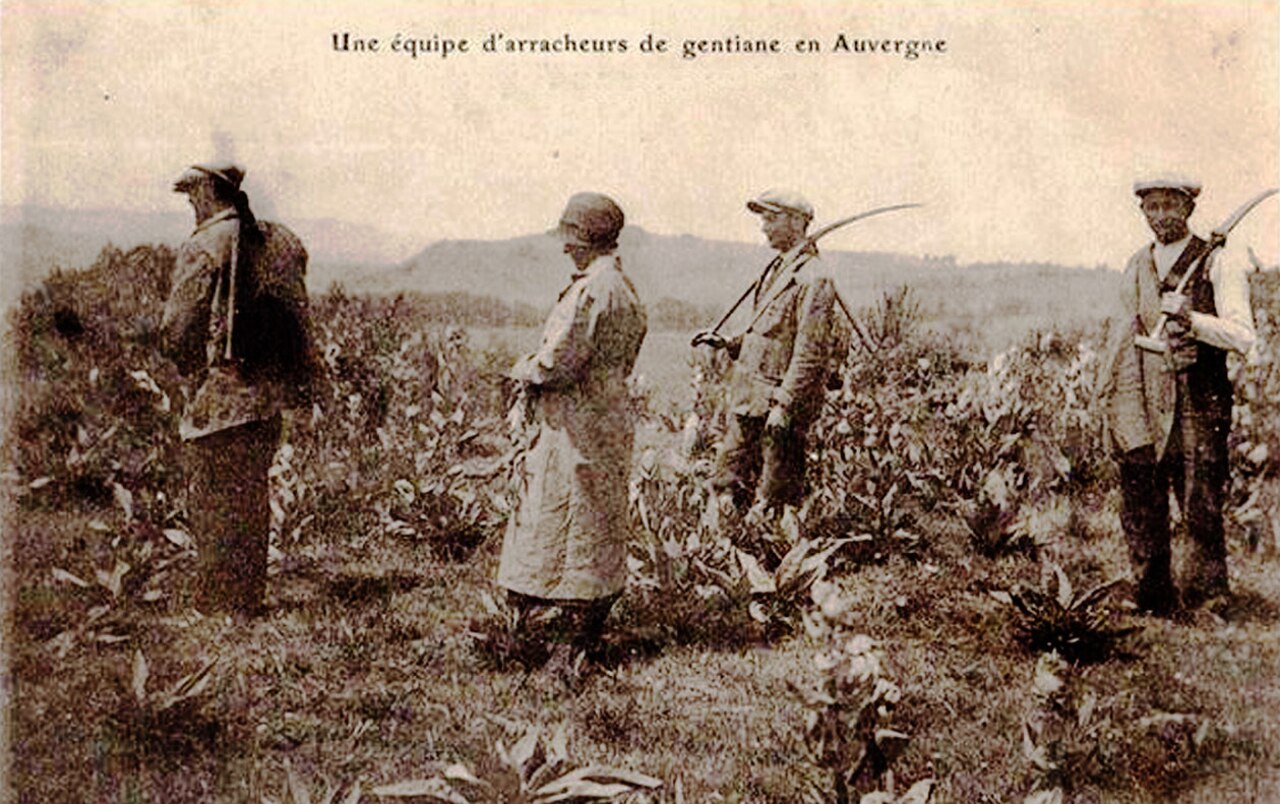
No. Gentiana lutea is a protected species: it is listed in Annex V of the EU Habitats Directive 92/43/EEC, adopted in Italy by Presidential Decree 357/1997, and several Italian regions ban picking it altogether. The root for the liqueur is bought dried from herbalists, and it comes from cultivation.
Lombardy bans it outright under regional law 10/2008. In national parks the park rules apply. Outside Italy, check the local rules before digging anything up.
There is also a safety reason. In high pastures gentian grows next to Veratrum album, white false hellebore, which is toxic and looks very much like it before flowering. False hellebore causes vomiting, visual disturbances, a slow heart rate and low blood pressure, and poisonings from this mix-up are documented in the clinical literature. The leaves tell them apart: opposite, in pairs, on gentian; alternate, one per node, on false hellebore.
Does gentian liqueur help digestion?
The European Medicines Agency recognizes gentian root as a traditional herbal medicine for mild digestive complaints and temporary loss of appetite. The recognition covers tinctures, extracts and teas made from the root. A liqueur also contains alcohol, and the same Agency advises caution with preparations that contain it.
Bitter compounds stimulate gastric secretion, which is why amari are drunk after a meal. For the same reason gentian is not advised for people with gastric or duodenal ulcers, hyperacidity, hiatal hernia or esophagitis. It is not advised during pregnancy and breastfeeding either.
Frequently asked questions about gentian liqueur
Is gentian liqueur made from the flowers or the roots? From the dried roots of Gentiana lutea. The yellow flowers are the part you see, but amarogentin and gentiopicrin, the bitter compounds, are in the root.
How strong is gentian liqueur? The Abruzzo version made with wine comes to about 24-25% ABV (48-50 proof); the version made with alcohol alone is stronger. Liquore di Genziana Vallenera, sold in shops, is 30% ABV (60 proof). Under EU law a liqueur has at least 15% ABV.
What is the difference between gentian and genzianella? In Abruzzo, genzianella is made by steeping the roots already used for gentian a second time: it is paler, sweeter and less bitter. In the Alps the same name means a spirit distilled from Gentiana acaulis, a different plant.
Can you pick gentian in the mountains? No. Gentiana lutea is protected by the EU Habitats Directive and several Italian regions ban picking it. It also grows next to false hellebore, which is toxic and looks like it. The root is bought dried from herbalists.
Which famous liqueurs contain gentian? Among others Campari, Aperol, Braulio, Amaro Lucano, Luxardo Bitter and Cocchi Americano. It is the most common bittering agent in Italian liqueurs.
Gentian liqueur contains alcohol: drink it in small amounts, never before driving, and only if you are 21 or older. The notes on digestion and contraindications are general information and are no substitute for a doctor’s advice.
Techniques and recipes in a few slides, on Instagram: @liquori.it